

Roof Tarping Guide for Myrtle Beach, SC Homeowners
When a roof is damaged by a storm, fallen tree, high winds, or sudden leak, one of the most important first steps may be roof tarping. A properly installed roof tarp can help protect your home from additional water intrusion while permanent roof repairs are being scheduled.
For homeowners in Myrtle Beach, SC, roof tarping can be especially important after severe weather. Coastal South Carolina properties are regularly exposed to heavy rain, hurricanes, tropical storms, high winds, hail, and wind-driven debris, all of which can damage roofing systems with little warning.
This guide explains what roof tarping is, when it is needed, how it helps protect your home, and why fast action after storm damage matters.
This guide applies to homeowners throughout Myrtle Beach, North Myrtle Beach, Conway, Carolina Forest, Surfside Beach, Socastee, Little River, Longs, Loris, Aynor, Murrells Inlet, Garden City, Georgetown, Pawleys Island, and surrounding Horry County and Georgetown County communities.
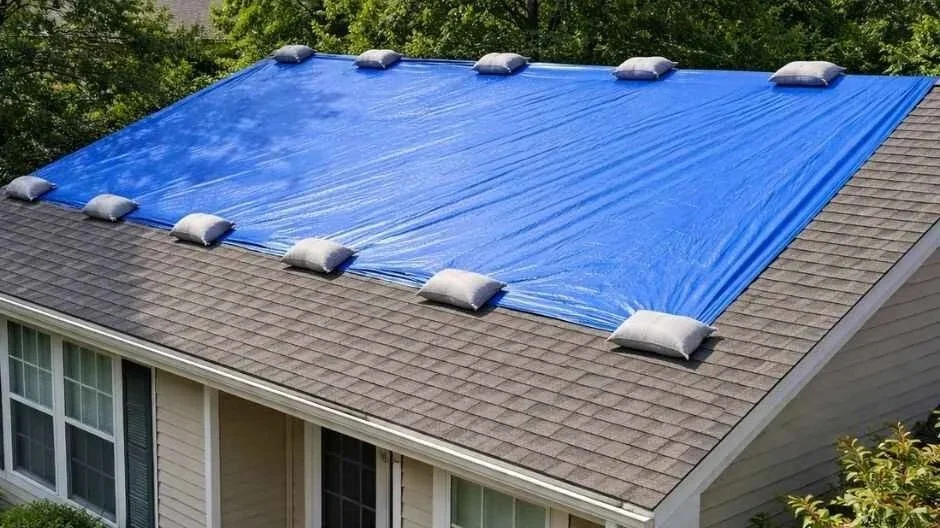
Emergency roof tarping for a home in Myrtle Beach, SC
What Is Roof Tarping?
Roof tarping is the temporary covering of a damaged area of the roof with a durable waterproof tarp to help prevent rainwater from entering the property. It is commonly used after storms or sudden roof damage when the structure has been exposed and immediate permanent repair is not yet possible.
Roof tarping is not a permanent fix. Instead, it is a short-term protective step used to reduce additional damage until a professional roofing contractor can complete full repairs.
A properly secured tarp can help protect:
ceilings and drywall
attic insulation
flooring and furniture
electrical systems
framing and roof decking
interior finishes and belongings
When Is Emergency Roof Tarping Needed?
Roof tarping may be needed any time the roof has been damaged badly enough to expose the structure to rain or moisture.
After Storm Damage
High winds, hail, and heavy rain can tear shingles away, damage flashing, or expose the underlayment.
After a Fallen Tree or Branch Impact
Tree limbs and debris can puncture the roof surface and create open holes where water can enter immediately.
When a Roof Begins Leaking Suddenly
If a leak becomes active during or after a storm, roof tarping may help reduce additional water intrusion until repairs can be made.
After Hurricane or Tropical Storm Damage
Severe coastal weather can cause widespread roof damage, and tarping is often used as a first line of temporary protection.
When Structural Openings Are Present
If decking, flashing, or major sections of roofing have been compromised, a tarp can help shield exposed areas from the next rain event.
Why Roof Tarping Is Important After Storm Damage
One of the biggest mistakes homeowners make after storm damage is waiting too long to protect the roof. Once the roofing system is open, water can quickly spread through the structure.
Emergency roof tarping can help reduce the risk of:
ceiling stains and water damage
mold and mildew growth
wet insulation
rotting wood
damaged walls and flooring
electrical risks from water intrusion
more extensive roof repair costs later
For homes across the Grand Strand, quick temporary protection can make a major difference in how much damage occurs after a storm.
How Roof Tarping Helps Prevent Interior Damage
When a roof is open or leaking, water rarely stays in one place. It can travel through the attic, soak insulation, stain ceilings, weaken drywall, and move into wall cavities before becoming fully visible.
Roof tarping helps by:
blocking direct rainfall from entering damaged areas
reducing ongoing moisture exposure
protecting attic spaces and ceiling surfaces
buying time until permanent repairs can be completed
helping limit secondary damage after the initial storm event
The sooner the damaged area is covered, the better the chance of minimizing expensive interior repairs.
Roof Tarping Is Temporary — Not a Final Repair
A roof tarp is designed to help protect the home temporarily, but it does not replace a full roofing repair. Once the immediate threat of rain intrusion is reduced, the next step is to schedule a professional inspection.
Depending on the extent of the damage, the roof may then need:
A professional inspection helps determine which solution is appropriate.
What Types of Roof Damage Often Require Tarping?
Many different kinds of roofing damage can lead to temporary roof tarping.
Missing Shingles and Exposed Roof Areas
When storms remove shingles, the protective layers below can be exposed to water intrusion.
Flashing Failure
Damaged flashing around chimneys, vents, and roof penetrations can create openings that allow water to enter.
Roof Deck Punctures
Fallen branches or impact damage can puncture the roof surface and expose the decking below.
Wind-Lifted Roofing Materials
Even if shingles are not missing, wind can loosen them enough to create pathways for water.
Severe Leak Areas
If water is actively entering the home, temporary roof covering may be necessary until repairs begin.
What Homeowners Should Do Before Roof Tarping
If your roof has been damaged after a storm, safety should always come first.
Stay Off the Roof
Do not attempt to walk on a storm-damaged roof. Wet surfaces, hidden structural weakness, and loose debris create serious safety hazards.
Move Belongings Away From Active Leaks
Protect furniture, electronics, rugs, and valuables from dripping water.
Document Visible Damage if Safe
Take photos from the ground if possible. This can help create a record of the storm-related damage.
Call a Professional Roofing Contractor Quickly
A roofing contractor can inspect the damage, determine whether tarping is needed, and recommend the next steps.
Why Myrtle Beach Homes Often Need Roof Tarping After Storms
Properties in Myrtle Beach, North Myrtle Beach, Surfside Beach, Murrells Inlet, Garden City, Georgetown, and Pawleys Island are exposed to weather conditions that increase the need for fast temporary roof protection.
These conditions include:
hurricane season
tropical storms
sudden thunderstorms
high coastal winds
wind-driven rain
fallen limbs and debris
Because these weather events can create immediate openings in the roof system, roof tarping is often one of the first protective measures used after storm damage.
Why Call On Point Exterior Services for Roof Tarping and Emergency Roof Repair?
On Point Exterior Services is a family-owned exterior contractor based in Myrtle Beach, SC, serving homeowners and businesses throughout Horry County and Georgetown County.
When storm damage leaves your home exposed, we provide support with:
emergency roof repair
storm damage roofing
roof leak repair
temporary roof tarping
roof inspections
roof replacement when needed
We also provide:
new roof installation
We understand how quickly storm-related roof damage can worsen and why immediate temporary protection matters.
Roof Tarping FAQs
How long can a roof tarp stay on a roof?
A tarp is intended to be temporary. It should remain in place only until permanent roof repairs or replacement can be completed.
Does roof tarping stop leaks completely?
Roof tarping can significantly reduce or temporarily stop water intrusion, but it is not a substitute for professional roof repair.
Is roof tarping necessary after every storm?
Not always. Roof tarping is usually needed when the roof has been damaged enough to expose the structure to moisture.
Can a fallen tree require roof tarping?
Yes. Fallen trees and branches often create openings that need temporary protection right away.
Should homeowners tarp a roof themselves?
For safety reasons, it is usually best to let a professional roofing contractor handle roof tarping after storm damage.
What happens after a roof is tarped?
The next step is a professional inspection to determine whether the roof needs repair, emergency service, or full replacement.
Related Roofing and Exterior Services
On Point Exterior Services also provides:
Emergency Roof Repair
Storm Damage Roofing
Roof Leak Repair
Roof Repair
Roof Replacement
Roof Inspections
New Roof Installation
Commercial Roofing
Metal Roofing
Seamless Gutters
Gutter Cleaning
Gutter Guards
Gutter Repair
Siding Installation & Replacement
Soffit & Fascia Installation
Serving Myrtle Beach, North Myrtle Beach, Conway, Carolina Forest, Surfside Beach, Socastee, Little River, Longs, Loris, Aynor, Murrells Inlet, Garden City, Georgetown, Pawleys Island, and surrounding Grand Strand communities.
On Point Exterior Services | Call or Text Us: (843) 315-9244