

Storms can damage a roof in ways that are obvious, subtle, or completely hidden at first. A few missing shingles may be easy to spot from the ground, but wind-lifted shingles, bruised areas from hail, loosened flashing, and moisture intrusion often go unnoticed until leaks begin to show up inside the home.
For homeowners in Myrtle Beach, SC, understanding how storm damage affects a roof is especially important. Coastal weather across the Grand Strand can bring high winds, heavy rain, tropical storms, hurricanes, hail, and falling tree limbs, all of which can shorten roof life and create costly structural problems if damage is not addressed quickly.
This guide applies to homeowners throughout Myrtle Beach, North Myrtle Beach, Conway, Carolina Forest, Surfside Beach, Socastee, Little River, Longs, Loris, Aynor, Murrells Inlet, Garden City, Georgetown, Pawleys Island, and surrounding Horry County and Georgetown County communities.
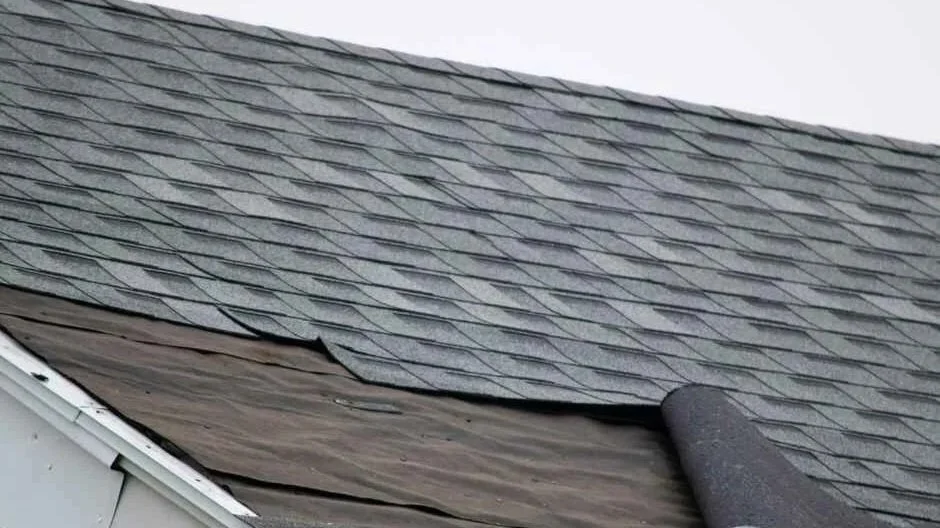
Storm damaged roof for a home in Myrtle Beach SC
What Is Storm Damage Roofing?
Storm damage roofing refers to the inspection, evaluation, and repair of roofing systems affected by severe weather. This includes damage caused by:
high winds
hurricanes
tropical storms
hail
heavy rain
fallen trees or branches
wind-driven debris
Storm damage can affect shingles, flashing, vents, gutters, decking, and even the structural framing below the roof surface. Some problems are immediate, while others get worse gradually over time.
What Types of Storms Cause Roof Damage in Myrtle Beach?
Coastal South Carolina properties face several weather patterns that can impact roof performance.
Hurricanes and Tropical Storms
Hurricanes and tropical systems bring a combination of wind, rain, and flying debris. These storms often cause some of the most severe roofing damage in the Myrtle Beach area.
Strong Wind Events
Even storms that are not hurricanes can create enough wind pressure to lift shingles, loosen flashing, and expose underlayment.
Hailstorms
Hail can bruise shingles, knock off protective granules, dent metal roofing, and weaken the lifespan of the roof without creating an immediate leak.
Heavy Rain and Wind-Driven Water
Rain entering through lifted shingles, roof penetrations, or damaged flashing can create hidden moisture issues in attics, ceilings, and walls.
Falling Trees and Branches
Fallen limbs and tree impacts can puncture roofing materials, crack decking, and create structural damage that requires immediate attention.
Common Signs of Storm Damage on a Roof
After a major weather event, it is important to know what to look for.
Missing Shingles
Shingles that are torn away expose the layers below and make the roof vulnerable to leaks.
Lifted or Creased Shingles
Wind can loosen shingles without blowing them off completely. These weakened areas often fail later.
Granules in Gutters
A large amount of granules in the gutter system may indicate storm impact or accelerated shingle wear.
Dented Metal Components
Hail can dent vents, flashing, metal roofing panels, and roof accessories.
Ceiling Stains or Leaks
Water stains inside the home often indicate roof damage that has already allowed moisture intrusion.
Fallen Debris on the Roof
Tree branches or heavy debris can damage shingles, puncture the roof surface, or compromise flashing.
Bent or Loose Flashing
Storm movement can separate flashing around chimneys, vents, skylights, and roof valleys.
Hidden Storm Damage Many Homeowners Miss
One of the biggest problems after a storm is hidden roof damage. Not all issues are visible from the ground, and not all damage causes immediate leaks.
Hidden storm-related roofing problems may include:
loosened shingles that later blow off
cracked sealant around vents
small punctures from debris
hail bruising that weakens shingles over time
moisture trapped below the roof surface
flashing shifts around penetrations
minor decking damage beneath the surface
This is one reason a professional roof inspection is so important after major weather events.
What to Do After Storm Damage to Your Roof
Homeowners often are not sure what steps to take after a storm. A simple plan can help reduce risk.
1. Stay Safe
Do not climb on the roof after a storm. Wet roofing surfaces, structural weakness, and loose debris can create safety hazards.
2. Check for Visible Signs From the Ground
Look for missing shingles, fallen tree limbs, damaged gutters, or obvious roofline changes.
3. Look Inside Your Home
Check ceilings, walls, and attic spaces for stains, dripping water, damp insulation, or unusual odors.
4. Document What You Can Safely See
If visible damage exists, take photos from safe ground-level positions.
5. Schedule a Professional Roof Inspection
A qualified roofing contractor can identify both visible and hidden damage and explain whether repair or replacement is needed.
Why Storm Damage Should Be Inspected Quickly
Storm damage can get worse very fast. A roof that appears mostly intact may still have weak points where water can enter.
Delaying inspection can lead to:
interior water damage
mold and mildew growth
wet insulation
drywall staining and ceiling damage
wood rot in decking and framing
more expensive roof repairs later
Prompt inspections and repairs often mean the difference between a smaller repair and a larger restoration project.
Storm Damage Roof Repair vs. Roof Replacement
Not all storm-damaged roofs need full replacement. In many cases, targeted repairs can restore protection if the damage is limited and the roof still has useful life remaining.
Storm Damage Roof Repair May Be Enough When:
damage is limited to a small area
a few shingles are missing or lifted
flashing damage is localized
the roof is still structurally sound
leaks are caught early
Roof Replacement May Be Recommended When:
storm damage is widespread
the roof was already aging before the storm
multiple leak points are present
decking or structural components are compromised
hail or wind damage affects large sections of the roof
A professional inspection helps determine the right long-term solution.
How Hail, Wind, and Hurricane Damage Affect Different Roof Types
Different roofing systems respond differently to severe weather.
Asphalt and Architectural Shingles
These roofs are vulnerable to wind uplift, granule loss, cracking, and hail bruising.
Metal Roofing
Metal roofs can dent from hail and may experience flashing or fastener issues after severe storms.
Flat and Low-Slope Roofs
These systems can develop punctures, seam failures, drainage problems, or membrane damage during storms.
Commercial Roofing Systems
Storm damage to commercial roofs may include membrane lifting, water intrusion, edge damage, and impact-related punctures.
Why Coastal Weather Makes Storm Damage Worse
Homes in Myrtle Beach, North Myrtle Beach, Murrells Inlet, Surfside Beach, Garden City, Georgetown, and Pawleys Island deal with a combination of coastal weather conditions that speed up roof wear.
These include:
salt air exposure
high humidity
frequent storms
heavy rain
strong seasonal winds
When a roof already has some age or wear, storm damage can expose those weak points much faster.
Why Call On Point Exterior Services After Storm Damage
On Point Exterior Services is a family-owned exterior contractor based in Myrtle Beach, SC, serving homeowners and businesses throughout Horry County and Georgetown County.
When storm damage affects your roof, fast professional evaluation matters. Our team understands the roofing challenges caused by coastal weather and can help identify whether your roof needs repair, emergency service, or replacement.
We provide:
roof inspections
storm damage roofing
roof repair
roof leak repair
emergency roof repair
roof replacement
new roof installation
We also offer:
seamless gutter installation
gutter cleaning
gutter guards
gutter repair
siding installation and replacement
soffit and fascia services
Prompt inspection and clear recommendations help property owners protect their homes before damage spreads further.
Storm Damage Roofing FAQs
How do I know if my roof has storm damage?
Common signs include missing shingles, dented metal components, ceiling stains, fallen tree branches, and granules in gutters. Some storm damage is hidden and requires a professional inspection.
Can wind damage a roof without causing an immediate leak?
Yes. Wind can lift or crease shingles and loosen flashing, which may not leak right away but can fail later.
Does hail always cause visible roof damage?
Not always. Hail can bruise shingles or weaken roof surfaces without creating obvious holes.
Should I inspect my roof after every major storm?
If the storm included strong winds, hail, fallen debris, or heavy rain, a post-storm roof inspection is a smart precaution.
Can storm damage shorten the lifespan of a roof?
Yes. Even when leaks do not appear immediately, storm damage can weaken materials and reduce long-term roof performance.
What happens if storm damage is ignored?
Unrepaired storm damage can lead to leaks, mold, insulation damage, wood rot, ceiling stains, and more expensive repairs later.
Related Roofing and Exterior Services
On Point Exterior Services also provides:
New Roof Installation
Serving Myrtle Beach, North Myrtle Beach, Conway, Carolina Forest, Surfside Beach, Socastee, Little River, Longs, Loris, Aynor, Murrells Inlet, Garden City, Georgetown, Pawleys Island, and surrounding Grand Strand communities.

On Point Exterior Services - Call or Text Us: (843) 315-9244